

Accepting the Challenge: Putting My Photography Class Skills to the Test
As a passionate photography enthusiast, I am always looking for opportunities to improve my skills and put my knowledge to the test. So, when I was challenged to take photos using the two fundamental settings of aperture and shutter speed, I eagerly accepted the task.
Understanding Aperture and Shutter Speed
Before delving into my photography adventure, let’s briefly discuss what aperture and shutter speed are and how they impact the outcome of a photograph.
Aperture: Aperture refers to the size of the opening in the lens through which light passes. It is measured in f-stops, with lower values indicating a wider opening and higher values indicating a narrower opening. The aperture setting affects the depth of field in a photo, determining how much of the image is in focus.
Shutter Speed: Shutter speed, on the other hand, refers to the length of time the camera’s shutter remains open. It is measured in fractions of a second, such as 1/1000 or 1/30. The shutter speed setting determines the amount of motion blur in a photo, allowing you to freeze fast-moving subjects or create artistic motion blur effects.
The Challenge Begins: Exploring Aperture and Shutter Speed
Armed with my newfound understanding of aperture and shutter speed, I embarked on a photography journey to capture various subjects and experiment with different settings.
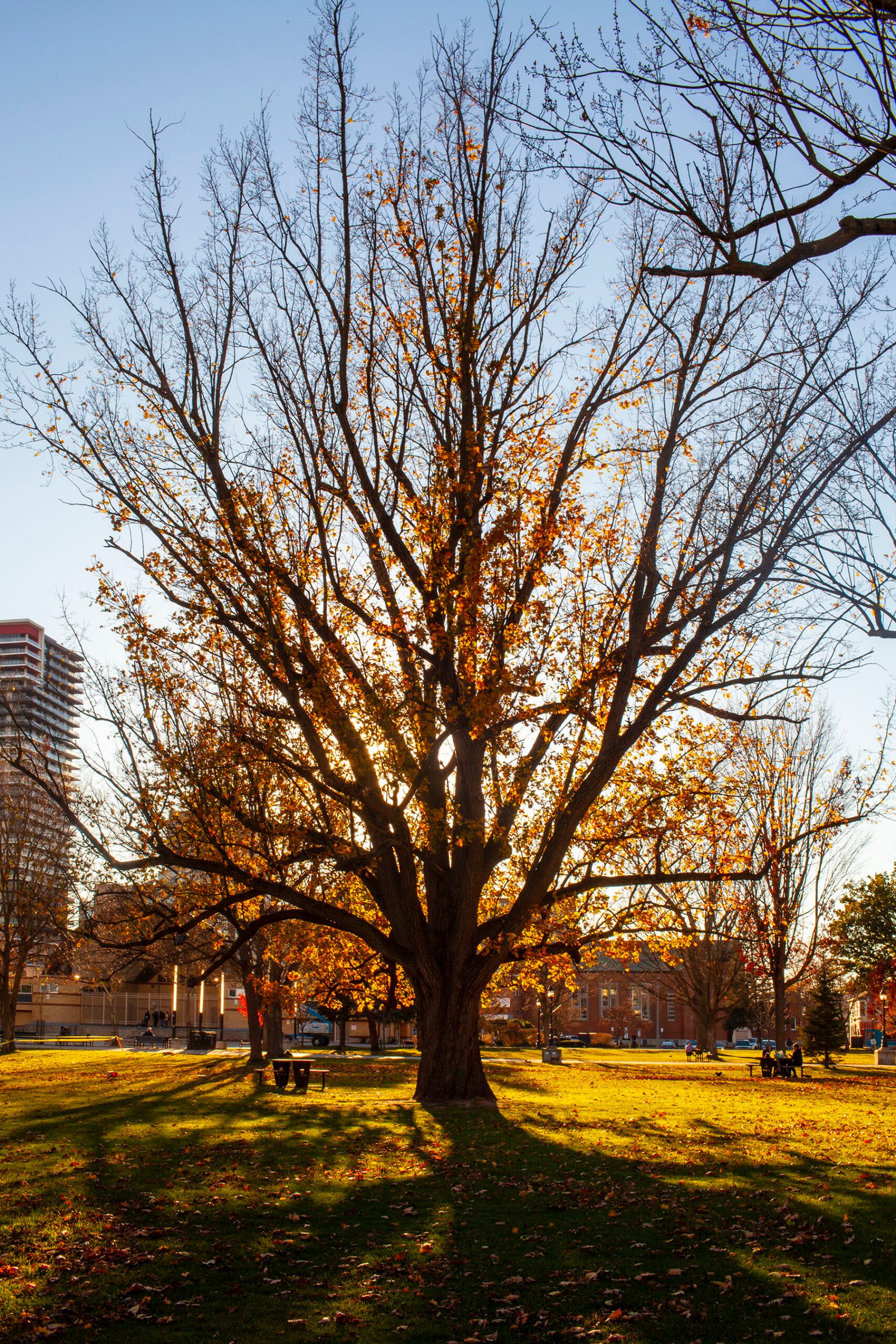
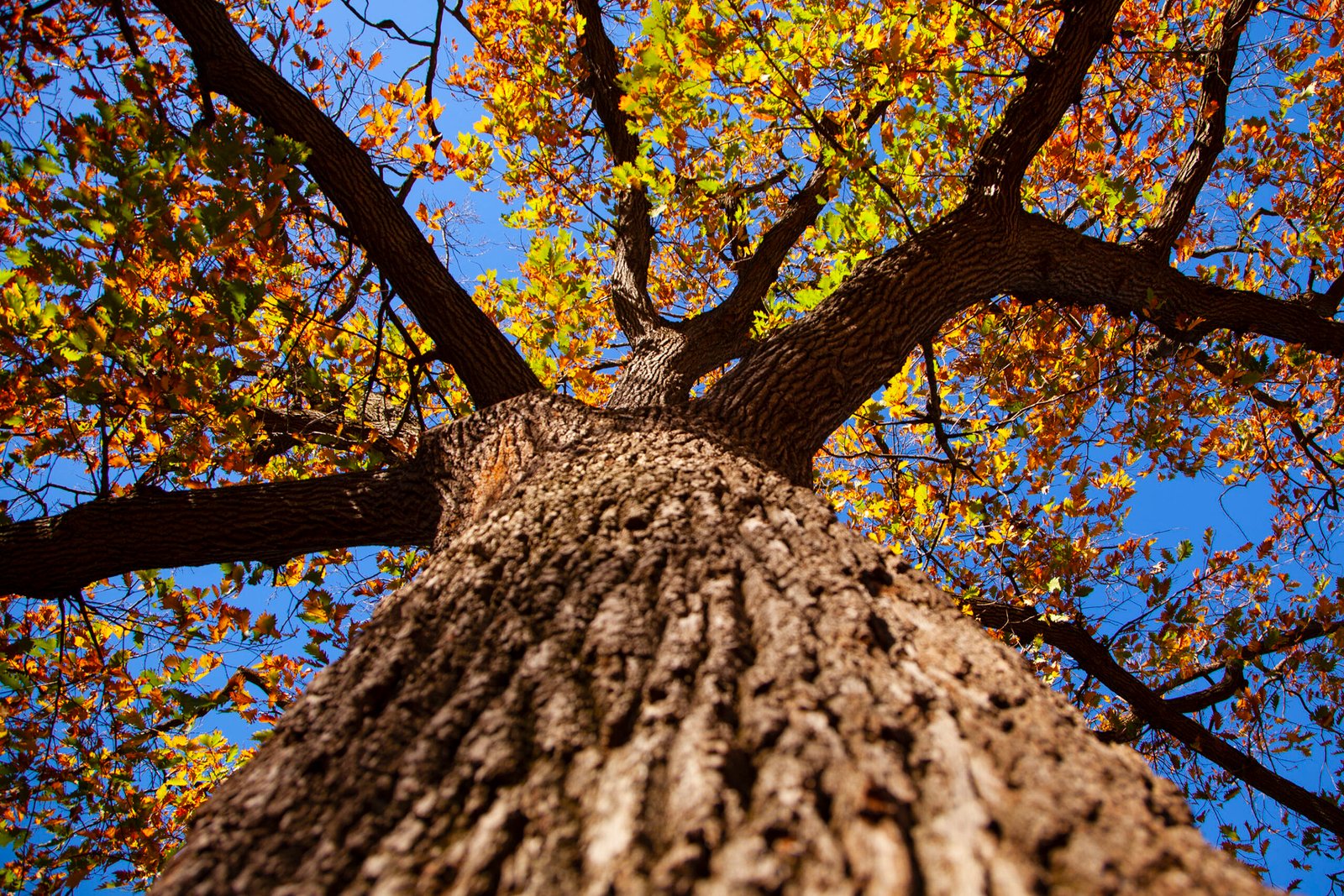
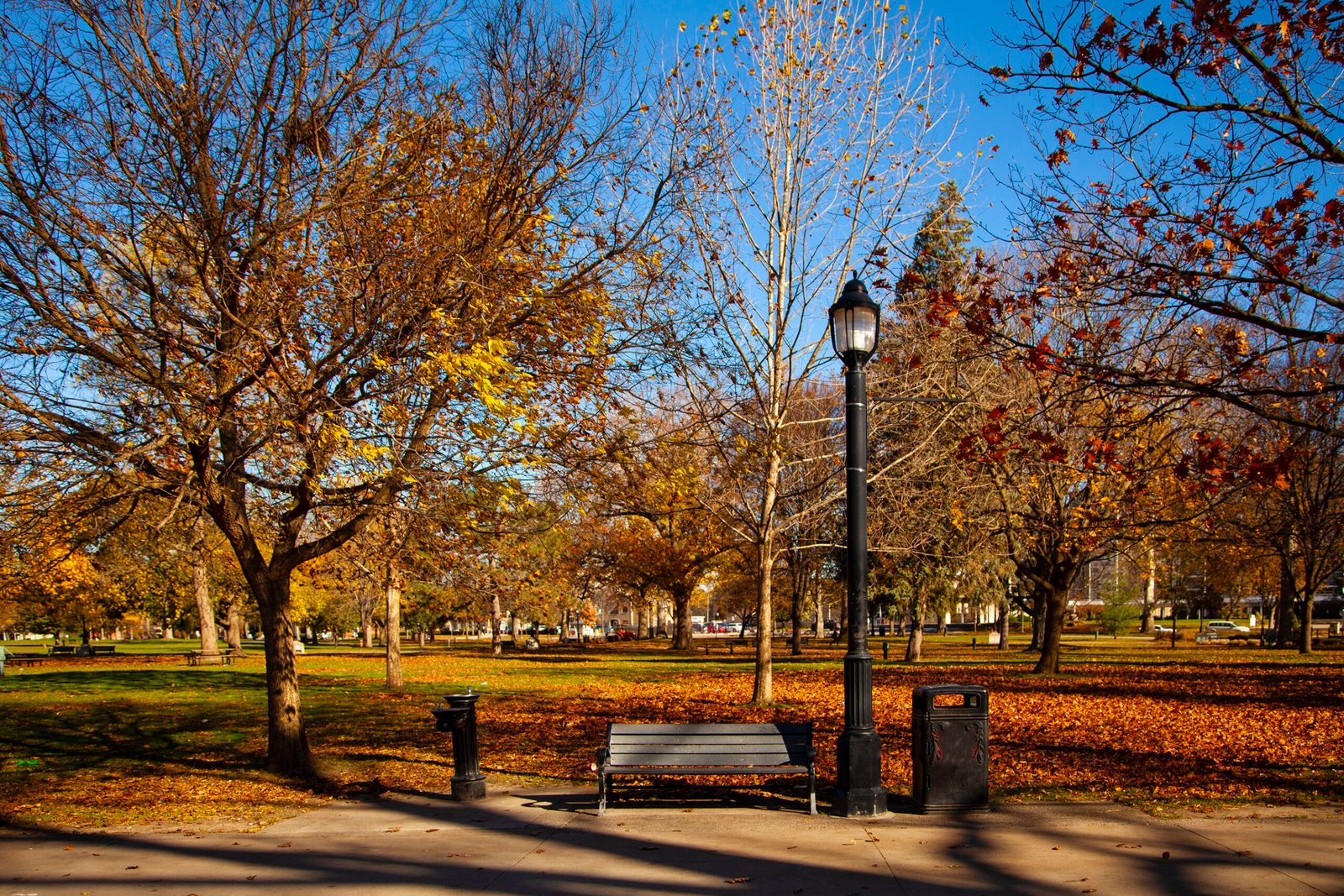
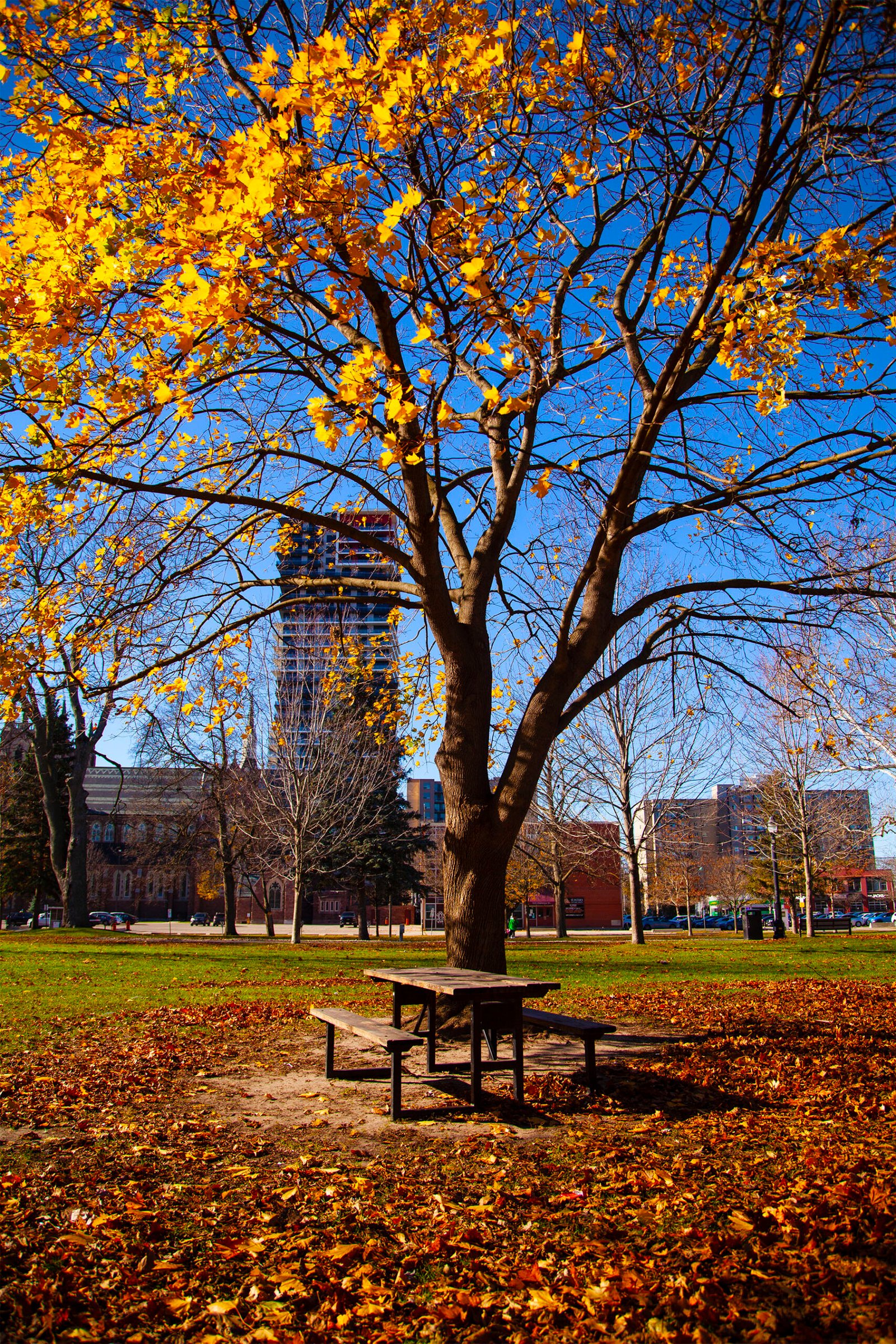
I decided to focus on landscapes and nature for my first set of photos. I wanted to capture the beauty of a serene lake surrounded by vibrant autumn foliage. To emphasize the details in the landscape, I opted for a narrow aperture (high f-stop value) to achieve a larger depth of field. This allowed me to have both the near and far elements in sharp focus, creating a sense of depth and dimension in the image.
Next, I shifted my attention to capturing action shots of a local sports event. I chose a high shutter speed to freeze the athletes’ fast-paced movement. This enabled me to capture crisp, sharp images, freezing the athlete’s mid-action. The result was a series of dynamic photographs that conveyed the intensity and energy of the sports event.
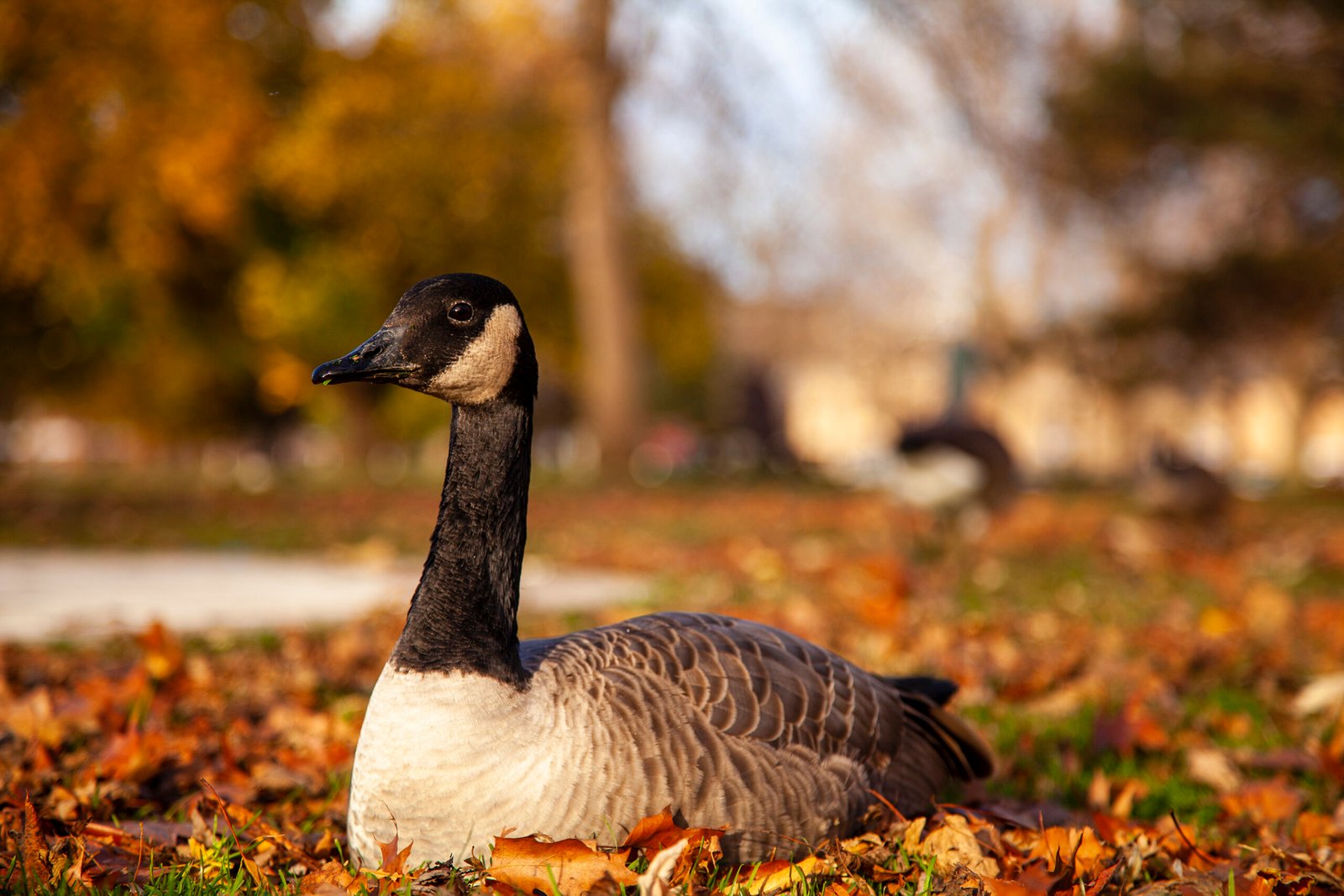
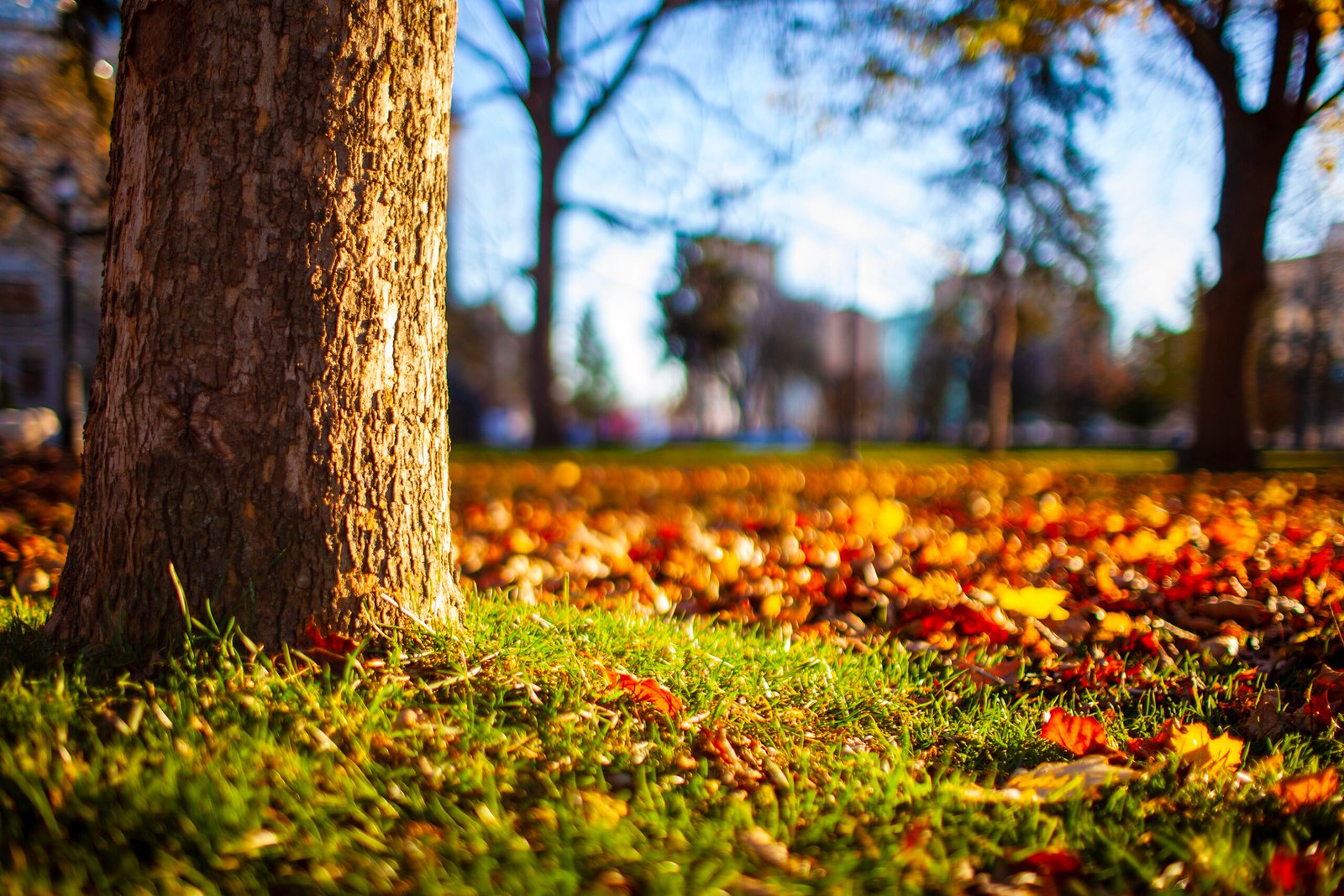
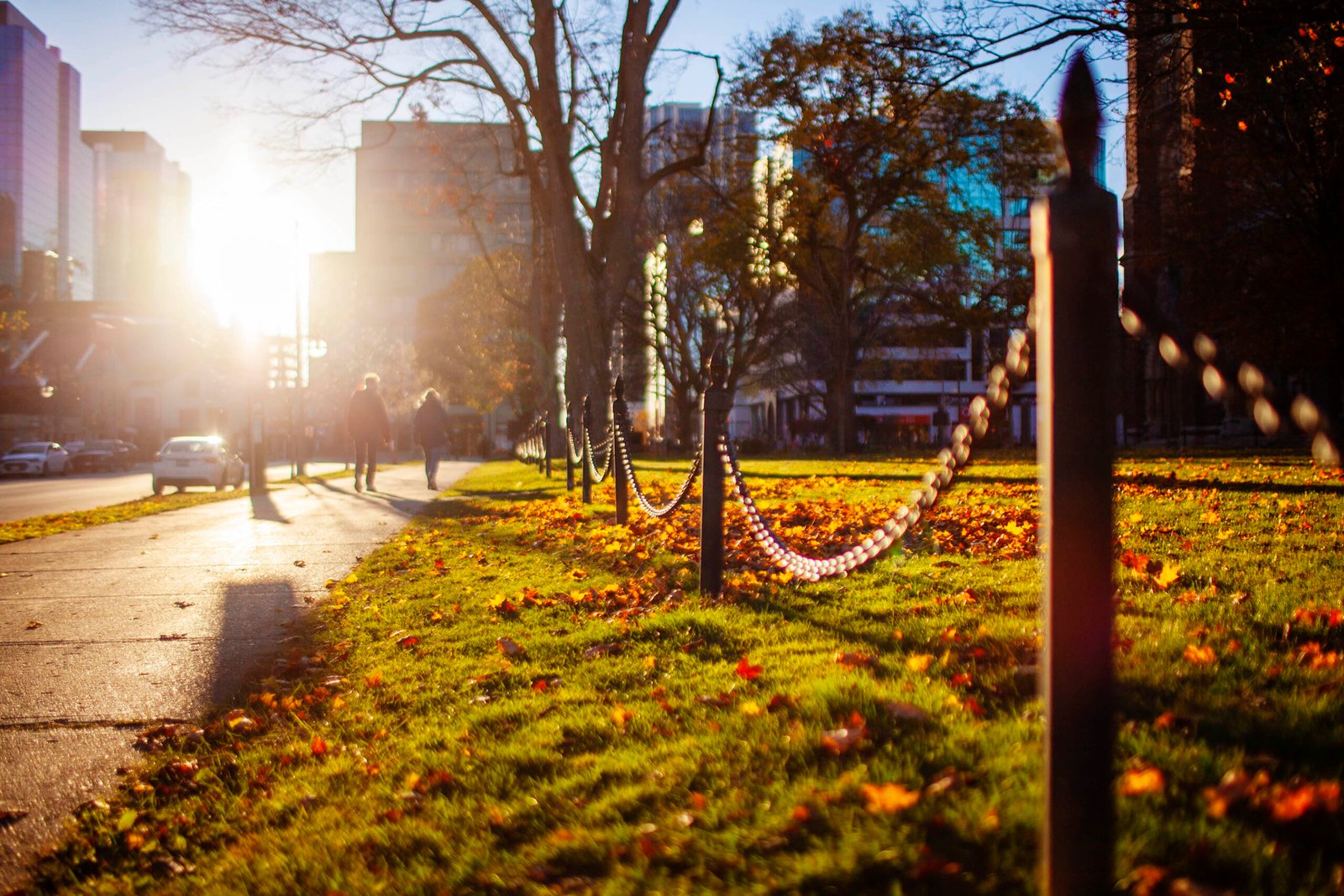
As I continued my photographic journey, I realized that aperture and shutter speed are not merely technical settings but powerful tools for creative expression. By adjusting the aperture, I could control the background blur and draw attention to the subject, while manipulating the shutter speed allowed me to experiment with different levels of motion blur and capture the essence of movement.
Photo Gallery: Showcasing the Results
Now, without further ado, I present to you a gallery featuring some of the photos I captured during this challenge:
Aperture
London, Ontario









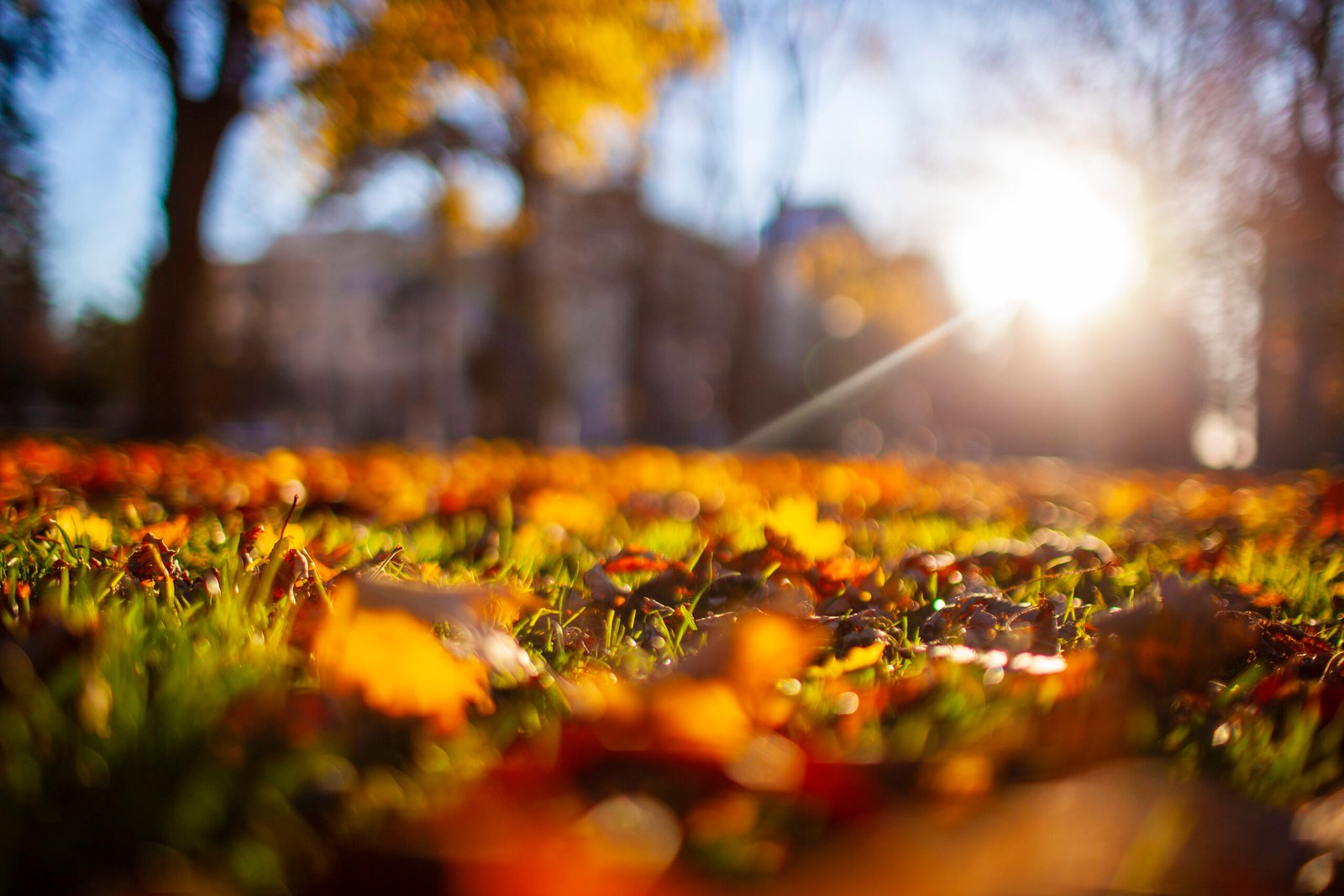
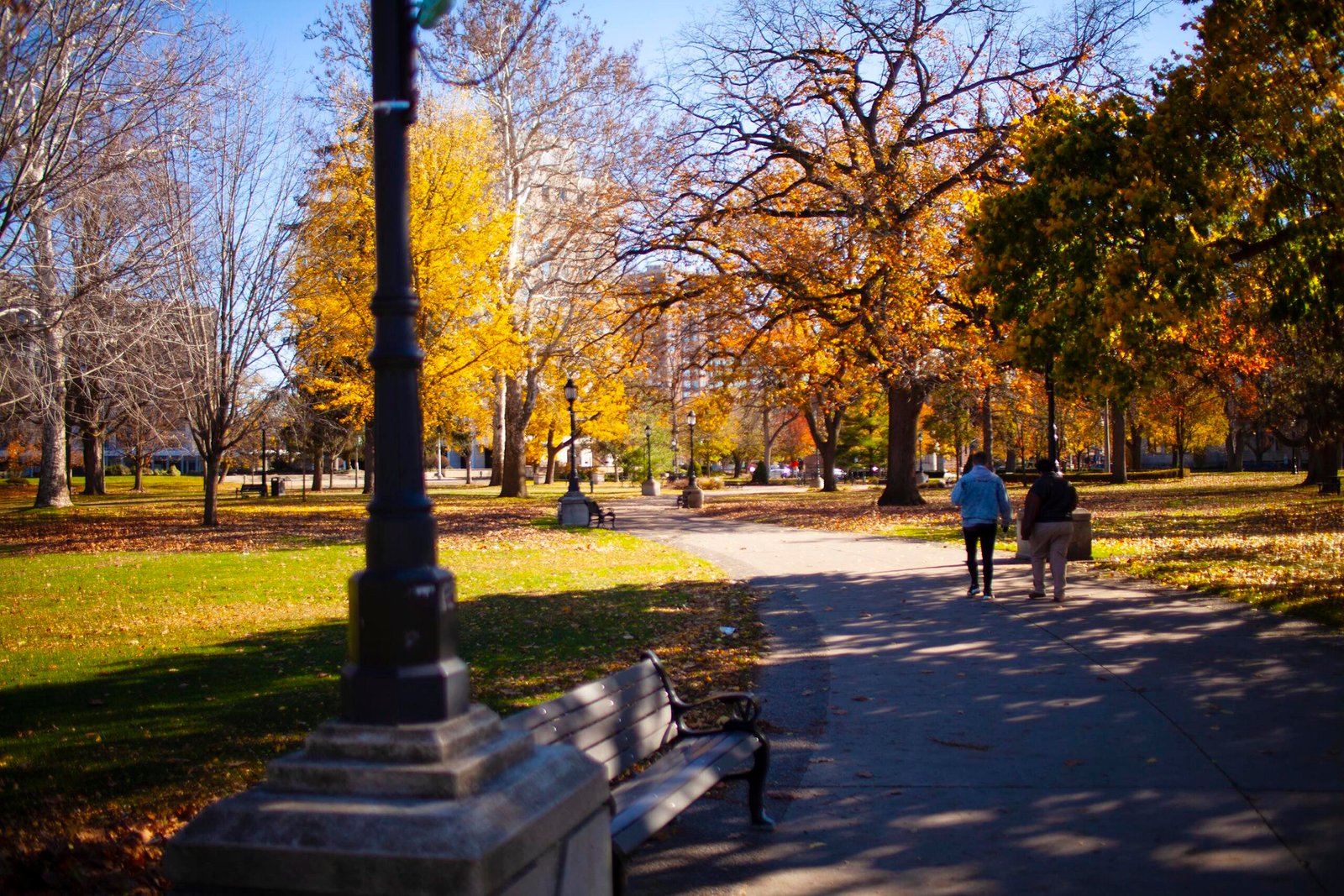
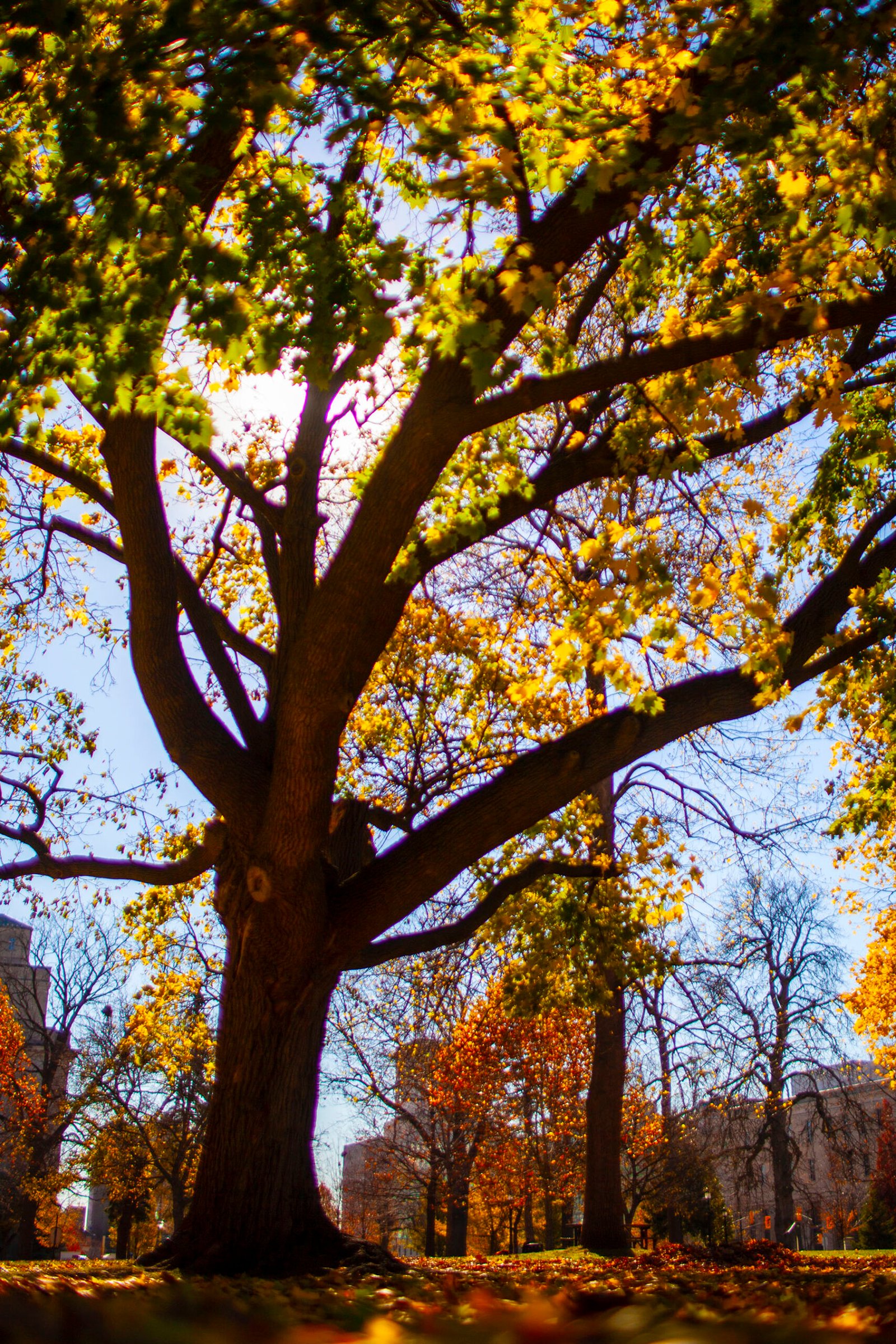










Shutter
London, Ontario












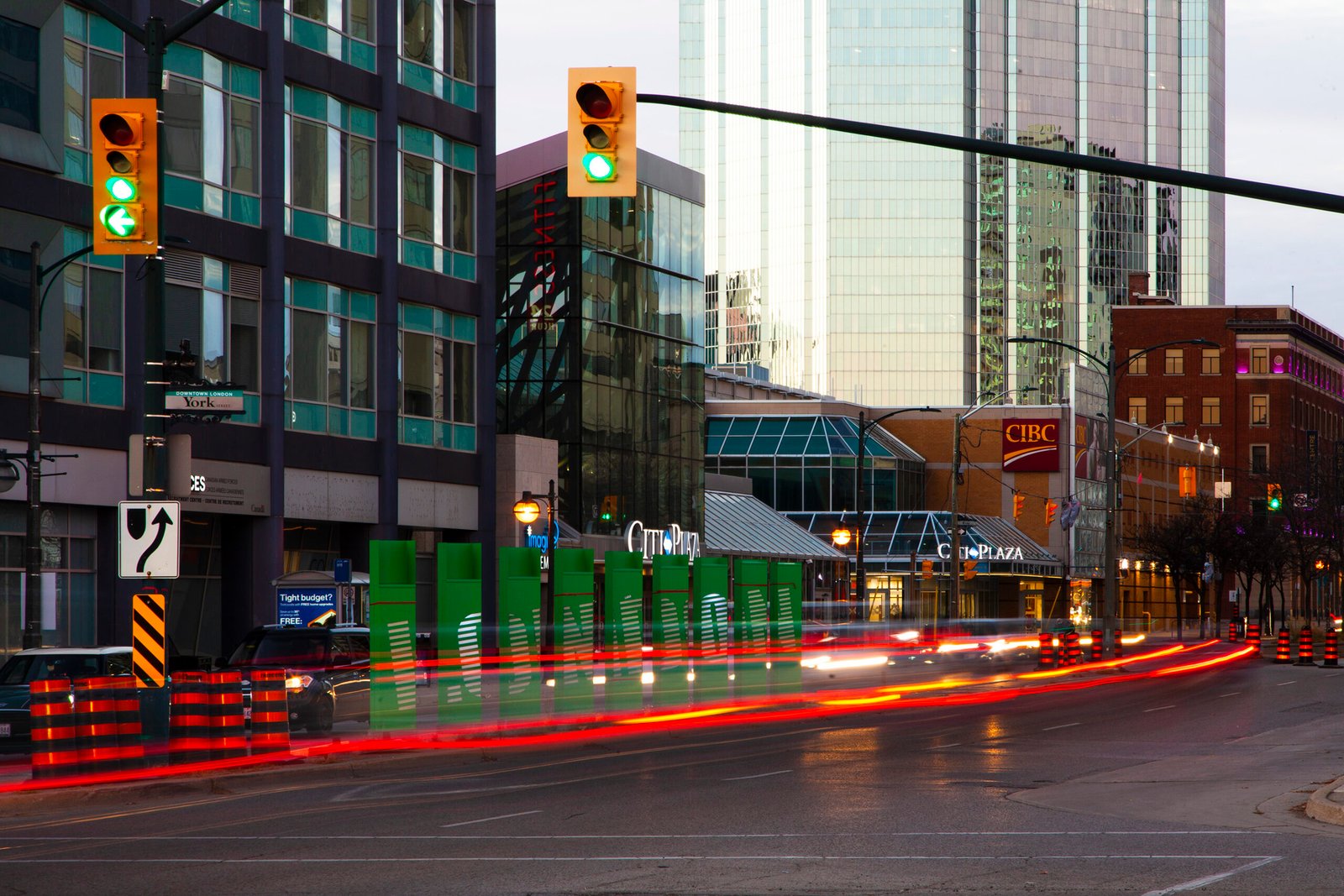
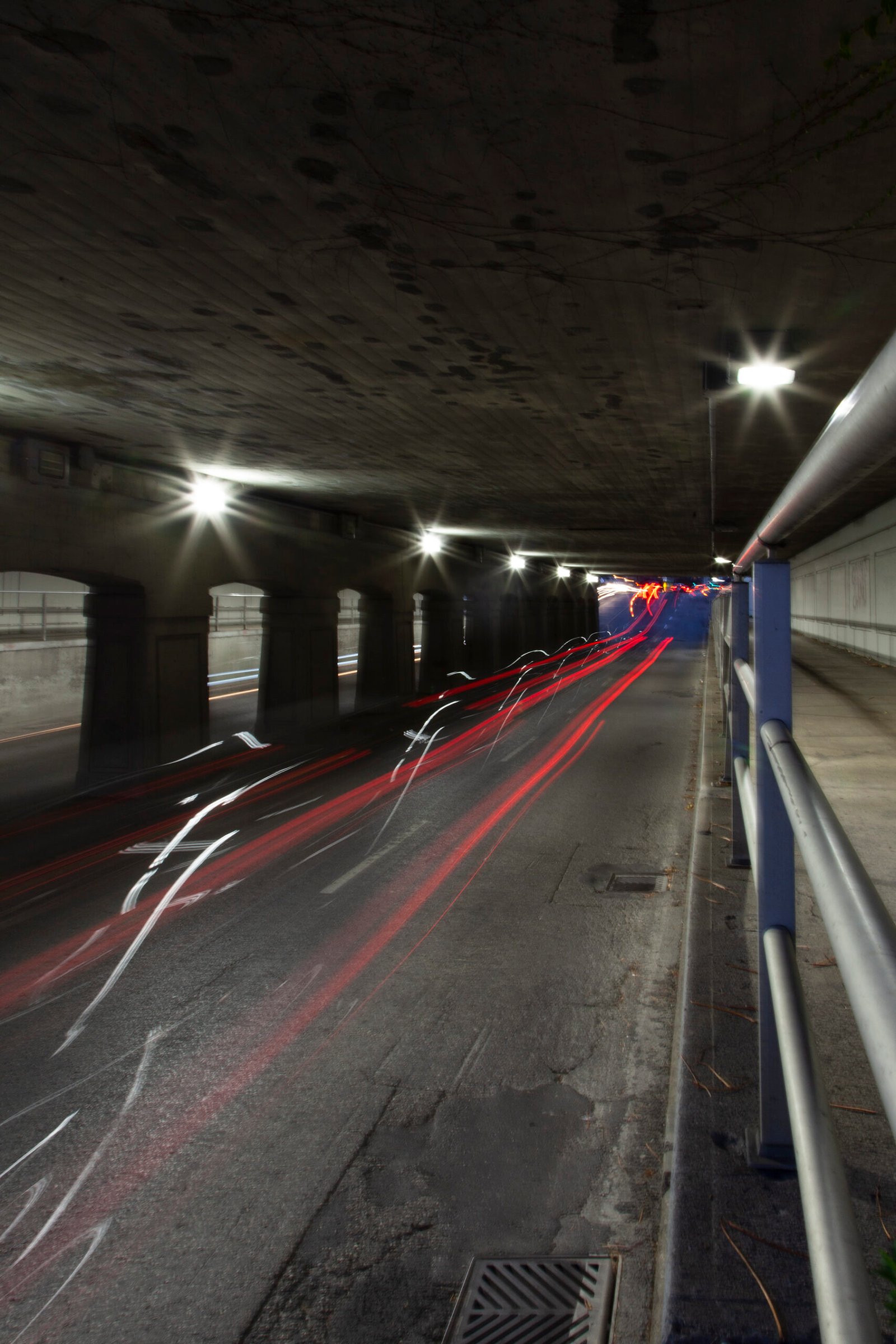

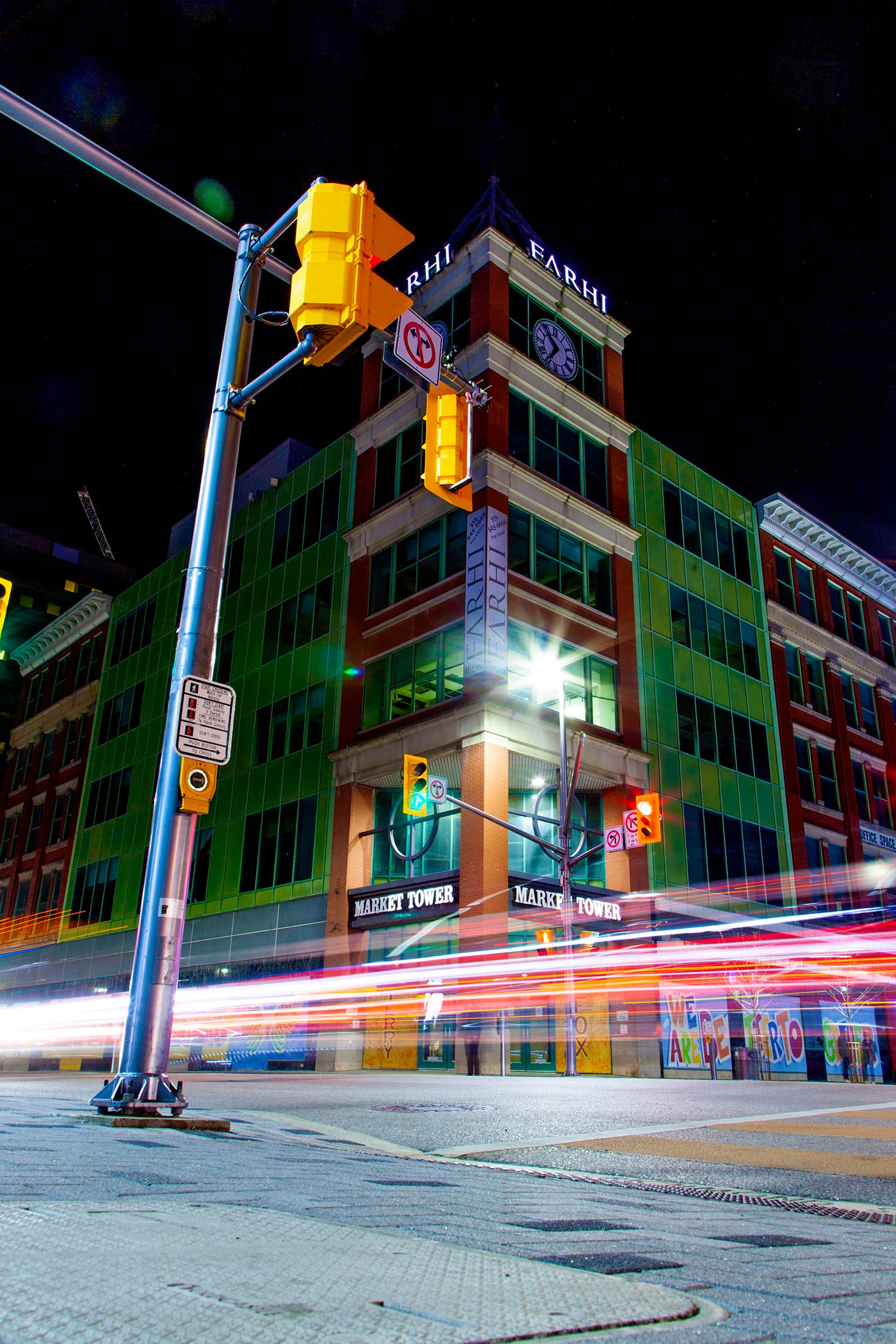
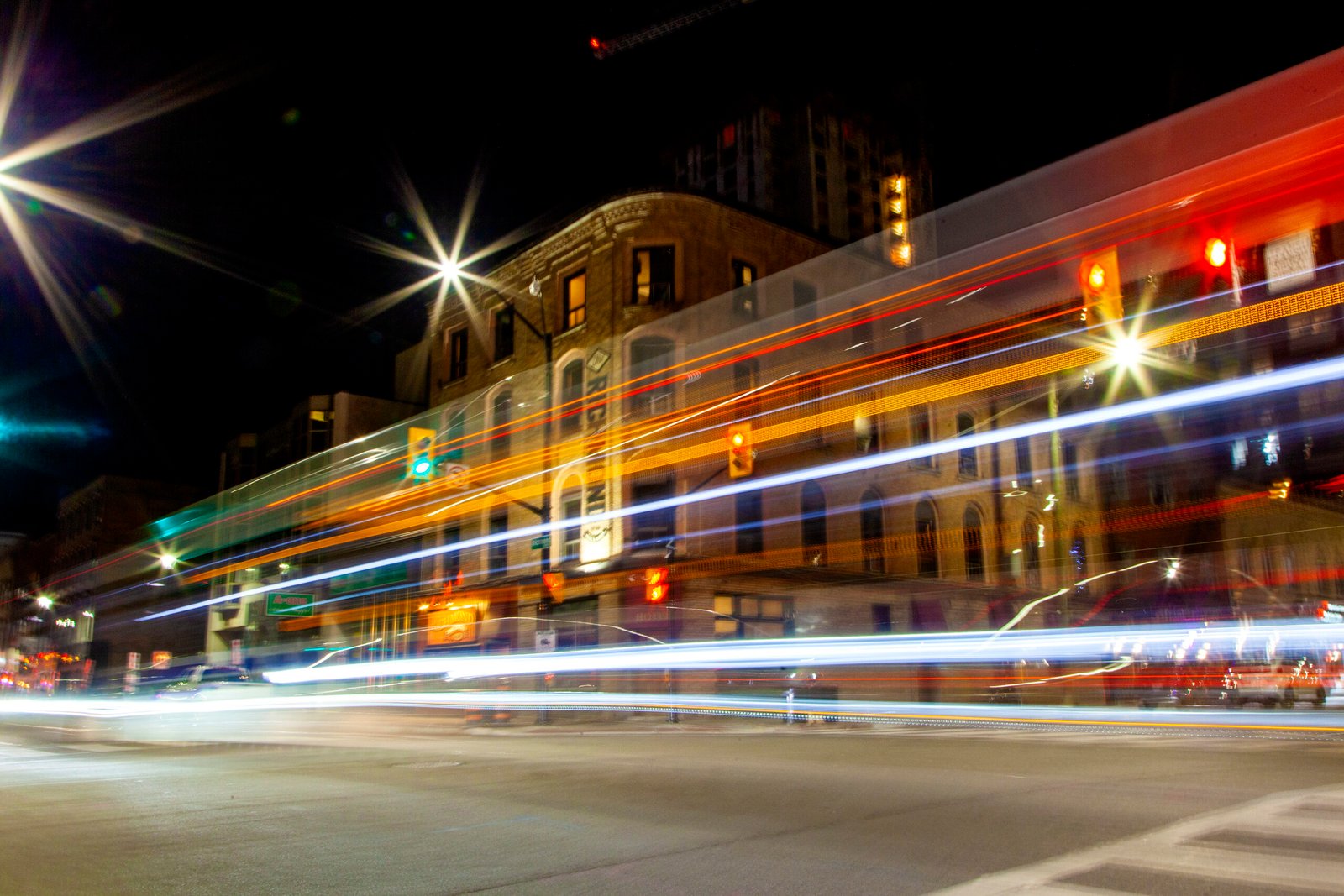
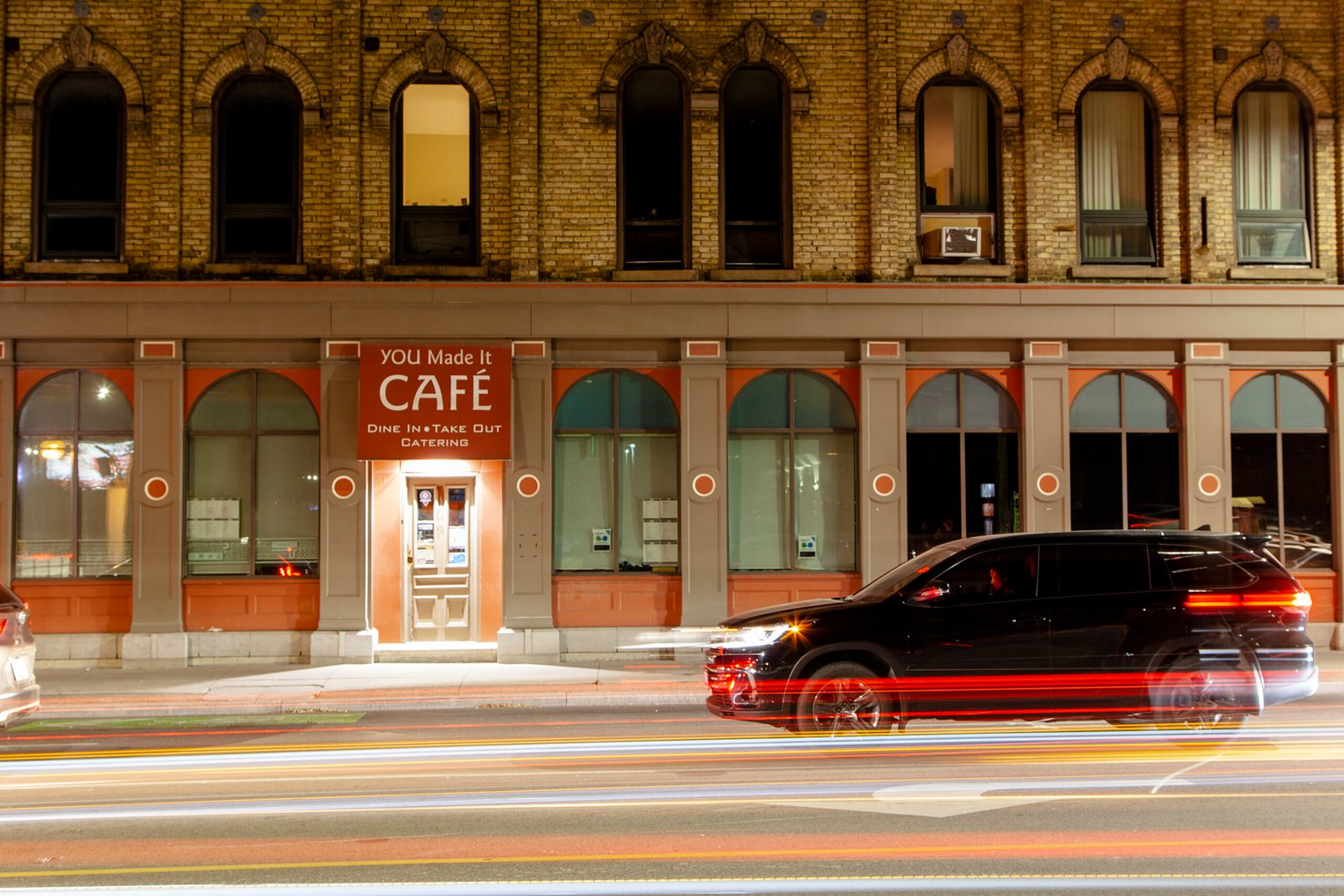
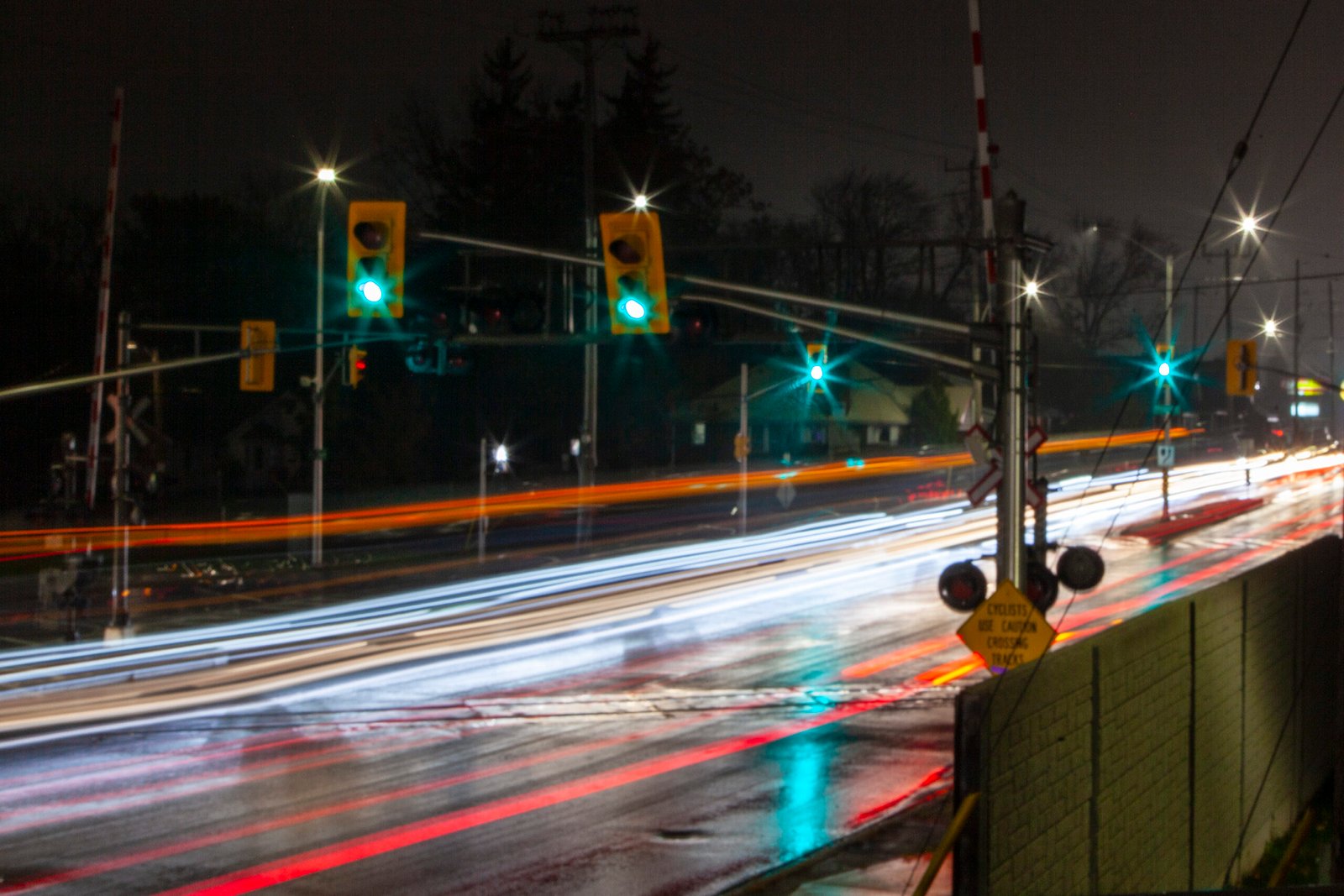
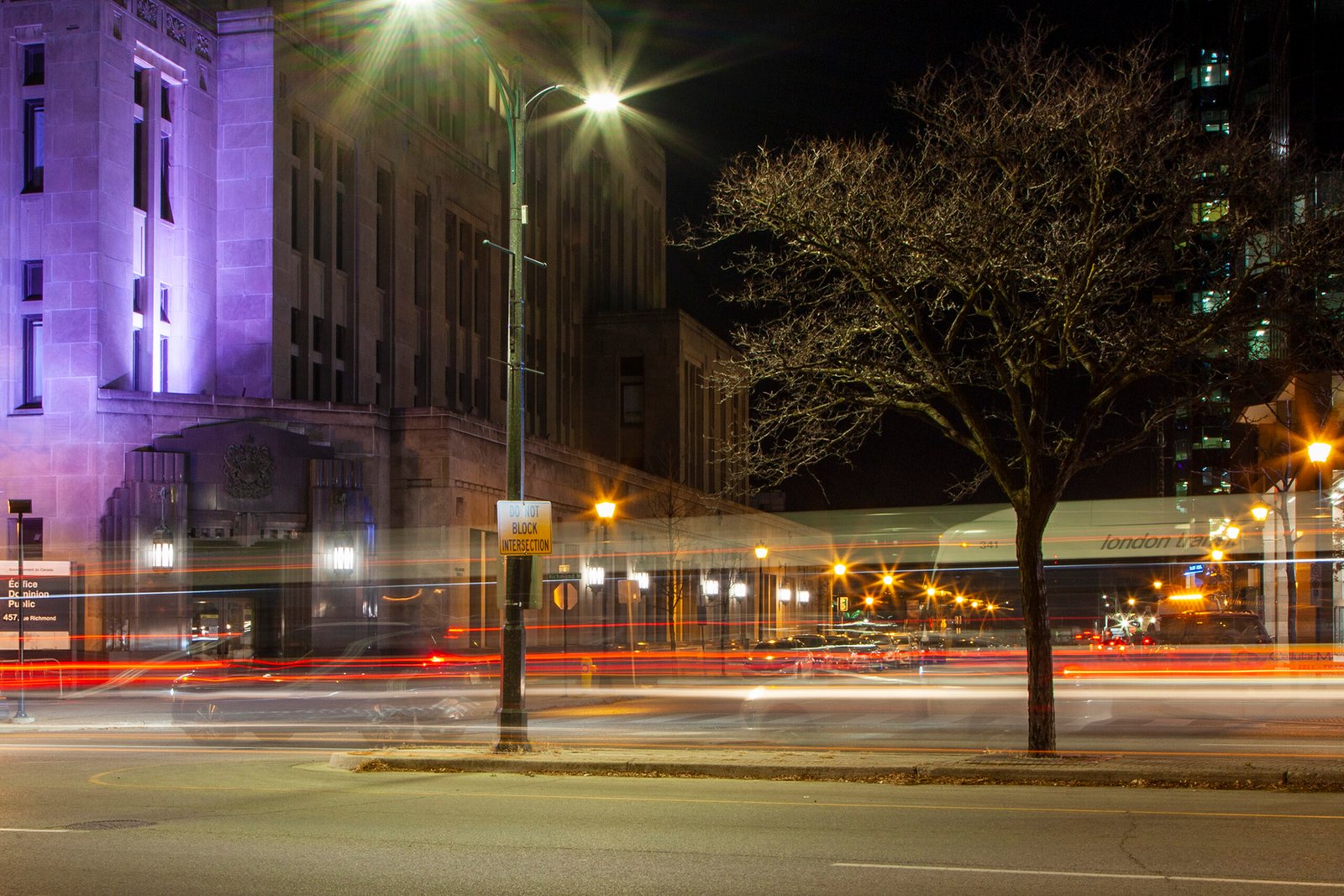










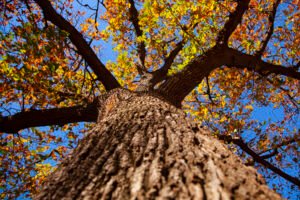
Each photograph in the gallery showcases the unique interplay between aperture and shutter speed, highlighting their impact on the final image. From the stunning landscapes with a wide depth of field to the action-packed sports shots frozen in time, each photo tells a story and captures a moment in time.
Conclusion: Embracing the Power of Aperture and Shutter Speed
Accepting the challenge of using aperture and shutter speed in my photography has been a rewarding experience. It has deepened my understanding of these fundamental settings and allowed me to unleash my creativity and capture moments that reflect my vision.
Whether you’re an aspiring photographer or simply someone who enjoys taking pictures, I encourage you to embrace the power of aperture and shutter speed. Experiment, explore, and let your creativity soar as you capture the world through your lens.